-
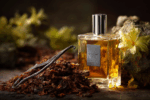
Mancera tobacco vanille: when perfumery blends exotic plants with history
Mancera tobacco vanille represents a continuation of a long tradition that links the fragrant world of tobacco with the richness of oriental scent-making. Tobacco first entered perfumery through trade routes that carried dried leaves from distant lands into palaces and markets, where their aroma was admired for its smoky warmth and cultural significance. Unlike fleeting…
-
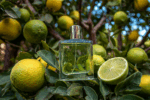
Citrus notes in fragrances: the freshness and energy of nature
The History of Citrus in Perfumery Citrus notes have a deep and fascinating history in the art of perfumery, with their earliest applications found in ancient civilizations. In Egypt, Greece, and Rome, the extracts of lemon, bitter orange, and other citrus fruits were not only valued for their refreshing qualities but also seen as symbols…
-
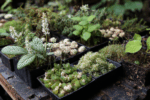
From collections to biodiversity: how plant exchange supports ecosystems
Historical Roots of Plant Exchange Human societies have been exchanging plants for thousands of years, long before the concept of biodiversity was formally recognized. Early communities traded seeds, bulbs, and cuttings across rivers and deserts, often as part of migration, commerce, or cultural rituals. These exchanges were not only about survival but also about sharing…
-
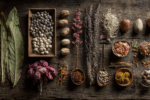
Seed and plant exchange: traditions and modern online platforms
Historical Traditions of Seed and Plant Exchange For many centuries, the act of exchanging seeds and plants was not simply a matter of survival but a vital cultural practice embedded in the rhythm of daily life. In traditional agrarian societies, the harvest depended heavily on the diversity and quality of seeds. Farmers and gardeners learned…
-

Modern concepts for the development of botanical gardens: balancing science, recreation, and ecology
Scientific Research and Innovation in Botanical Gardens Botanical gardens have evolved into important research centers, where scientists study plant biology, genetics, and adaptation to changing environmental conditions. These institutions often serve as living laboratories, offering access to rare and endangered species that cannot be observed elsewhere. Through collaborations with universities and independent researchers, botanical gardens…
-

Plant collections: how expeditions changed the face of botanical gardens
The Age of Botanical Exploration During the eighteenth and nineteenth centuries, botanical gardens underwent a remarkable transformation from modest collections of regional flora into vast repositories of global biodiversity. Expeditions, often sponsored by scientific societies or wealthy patrons, became the driving force behind this expansion. Ships sailed to distant continents with the dual mission of…
-

Parfum de Marly and the secrets of perfume longevity: how they retain the aroma for a long time
Parfum de Marly is a brand that has won the hearts of luxury perfume connoisseurs thanks to its sophisticated aromas and unsurpassed durability. Created for those who value luxury and sophistication, this house offers compositions that remain on the skin and in the memory throughout the day. Why is perfume longevity so important? The longevity…
-
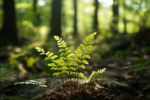
Returning rare plants to the wild: restoration programs
The disappearance of rare plants from the wild is an alarming signal about the imbalance of ecosystems. Urbanization, agriculture, climate change and human activities are becoming the main causes of loss of species that play a critical role in maintaining biodiversity. Rare plant restoration programs aim to return these species to their natural habitats. These…
-
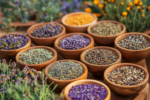
Aromatic plants and their meaning in different religions and rituals
Aromatic plants play a vital role in the cultural and religious practices of many peoples. Their use dates back to ancient times, when fragrances were considered a bridge between the earthly and the divine. These plants were used to cleanse space, attract spiritual harmony and mark sacred moments. Why are scents so important? They affect…
-
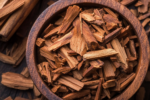
Sandalwood: why its aroma is so popular in perfumery
Sandalwood is not just a woody aroma, but a whole world of subtle and deep associations. Its warm, soft scent has been a symbol of sophistication, peace and spiritual harmony for centuries. Today, this component remains one of the most sought after in perfumery due to its versatility and ability to harmoniously combine with other…