
Environmental initiatives and plant exchange
Learn about the importance of plant exchange between botanical gardens and how these practices contribute to biodiversity conservation and sustainable development. Explore seasonal flower exhibitions that help draw attention to the beauty and importance of the plant world.
-
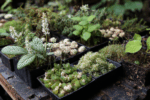
From collections to biodiversity: how plant exchange supports ecosystems
Historical Roots of Plant Exchange Human societies have been exchanging plants for thousands of years, long before the concept of biodiversity was formally recognized. Early communities traded seeds, bulbs, and cuttings across rivers and deserts, often as part of migration, commerce, or cultural rituals. These exchanges were not only about survival but also about sharing…
-

Seed and plant exchange: traditions and modern online platforms
Historical Traditions of Seed and Plant Exchange For many centuries, the act of exchanging seeds and plants was not simply a matter of survival but a vital cultural practice embedded in the rhythm of daily life. In traditional agrarian societies, the harvest depended heavily on the diversity and quality of seeds. Farmers and gardeners learned…
-

Returning rare plants to the wild: restoration programs
The disappearance of rare plants from the wild is an alarming signal about the imbalance of ecosystems. Urbanization, agriculture, climate change and human activities are becoming the main causes of loss of species that play a critical role in maintaining biodiversity. Rare plant restoration programs aim to return these species to their natural habitats. These…
-

Vertical gardens in cities: advantages and examples of successful projects
Vertical gardens are an innovative solution for urban greening where land space is limited. They are structures covered with plants that are mounted on building facades, walls or other vertical surfaces. Today, vertical gardens are becoming not only a way to improve the appearance of the city, but also a significant tool in the fight…
-

Exchange of plants between botanical gardens
The history and reasons for the exchange of plants between botanical gardens The history of the exchange of plants between botanical gardens dates back to the era of Great Geographical Discoveries, when European travelers brought exotic plants from colonies and distant lands to their countries. Initially, botanical gardens were created as centers where plants from…